
Why Do Some Teeth Stay Sensitive to Cold Long After a Dental Visit in Coral Springs?
Why Do Some Teeth Stay Sensitive to Cold Long After a Dental Visit?
Cold sensitivity that lingers after a dental appointment is usually tied to one of a few things: recent work that temporarily irritated the nerve, enamel erosion exposing the underlying dentin, or early-stage gum recession that leaves the root surface unprotected. In most cases it fades within a few days to two weeks, but if it sticks around longer, that’s a signal worth taking seriously with your dentist.
What’s Actually Causing That Zap of Cold Pain?
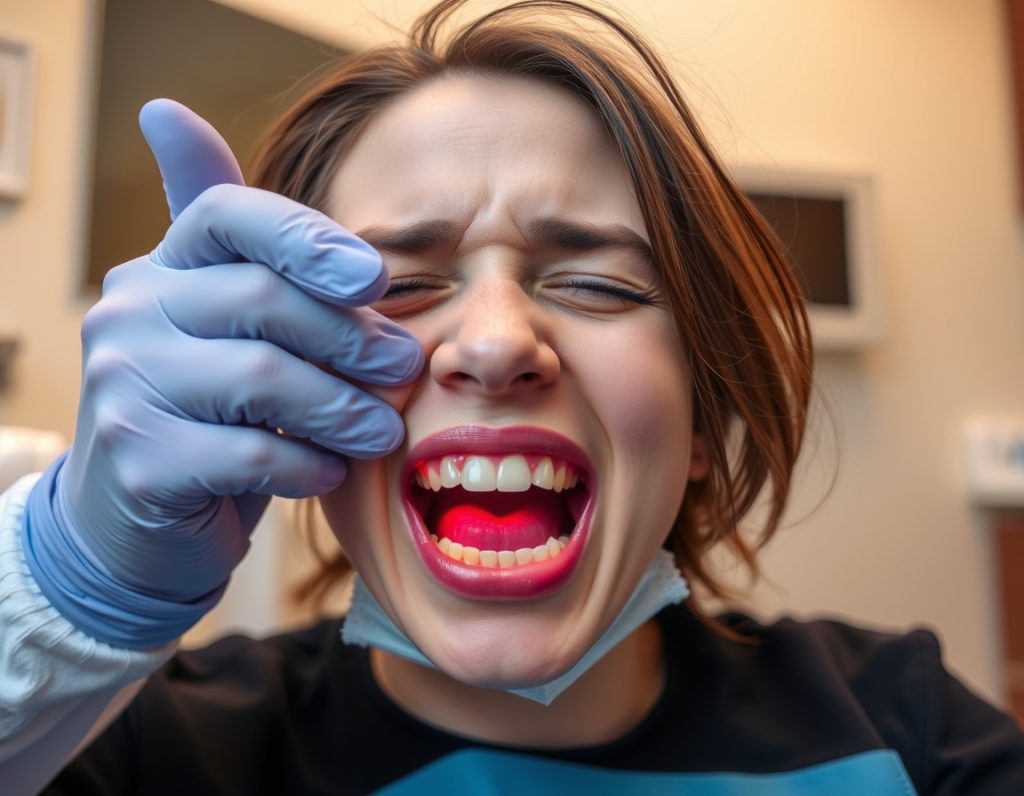
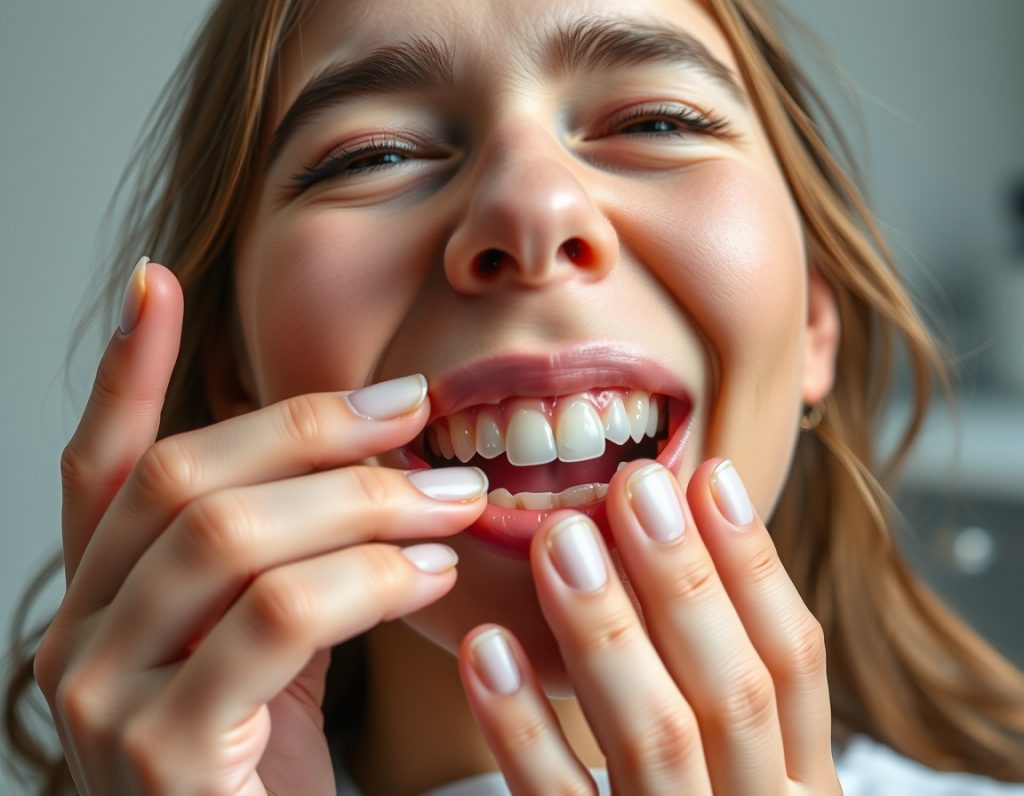
Teeth don’t have a single surface — they’re layered. The outer enamel is hard and doesn’t contain nerves, but once it wears down or a root becomes exposed, the dentin tubules underneath connect directly to the nerve. Cold air or liquid travels through those tiny channels and triggers a sharp, brief sensation.
Common Triggers People Overlook
Acidic foods and drinks are a big culprit. Sodas, citrus juices, and even some sports drinks slowly dissolve enamel over time. Aggressive brushing with a hard-bristled toothbrush can push gums back and wear down enamel at the gumline. Teeth grinding at night is another one people rarely connect to sensitivity — it flattens and thins the biting surfaces over months or years, leaving less protective enamel between temperature and the nerve.
When Is It a Sign of Something More?
Occasional brief sensitivity is common. Sensitivity that lingers for more than 30 seconds after the cold source is gone, or pain that shows up spontaneously with no trigger, can point to a deeper problem like a cracked tooth or an inflamed nerve. That kind of pain doesn’t resolve on its own and usually needs treatment — sometimes a filling or crown, sometimes a root canal if the nerve has been compromised. Getting it checked early almost always means a simpler fix.
What Can Actually Help Day to Day?
There are some practical things that make a real difference between appointments. Switching to a sensitivity toothpaste with potassium nitrate or stannous fluoride helps block the dentin tubules over time — but it takes consistent use for a few weeks before you notice results. It’s not an overnight fix.
In-Office Options Worth Asking About
A dentist can apply a fluoride varnish directly to sensitive spots, which helps remineralize weakened enamel faster than toothpaste alone. For gum recession that’s progressing, a periodontal evaluation can catch it early before the exposed root surface becomes a bigger problem. In cases where a specific tooth is structurally compromised, a crown can cover and protect it entirely.
Habits That Make Sensitivity Worse
Skipping regular cleanings lets plaque build up along the gumline, which speeds up recession. Using a whitening product too frequently can also increase sensitivity because the peroxide in whitening agents temporarily opens those dentin tubules. If you’re whitening and noticing more sensitivity than usual, spacing out treatments gives the teeth time to recover. You can read more about how professional whitening differs from over-the-counter options on the teeth whitening page.
Residents around Coral Springs dealing with persistent cold sensitivity don’t have to just live with it. The team at ClearWave Dental & Aesthetics can pinpoint whether the cause is structural, enamel-related, or connected to gum health — and recommend a specific path forward rather than a generic fix. You can learn more about what a first visit looks like on the new patients page.
The American Dental Association’s overview of sensitive teeth is a solid resource if you want to dig deeper into the science behind why this happens. And if you’re curious about local resources, the City of Coral Springs official website keeps a directory of community health resources as well.
Related Questions
Can sensitive teeth get worse over time if you ignore them?
Yes. Sensitivity is often a symptom of an underlying change — whether that’s enamel thinning, recession, or a structural issue like a crack. Left alone, those changes tend to progress. What starts as a quick zap from an ice cube can eventually become constant discomfort or a tooth that needs more involved treatment to save.
Is there a difference between sensitivity and a toothache?
Generally, yes. Sensitivity is usually sharp and brief, triggered by something specific like cold, heat, or sweets, and then fades quickly. A toothache tends to be a dull or throbbing pain that sticks around on its own, which often signals infection or nerve involvement. Both deserve attention, but the second one typically calls for more urgent care.