
What Actually Happens to a Tooth When You Leave a Cavity Untreated in Coral Springs?
What Actually Happens to a Tooth When You Leave a Cavity Untreated?
A cavity that goes untreated doesn’t stay the same size. Decay is caused by bacteria that keep eating through tooth structure, so a small hole in the outer enamel will eventually reach the softer dentin layer underneath, then work its way toward the nerve. Left long enough, what started as a simple filling can turn into a root canal, a crown, or even an extraction.
How Decay Spreads Through a Tooth
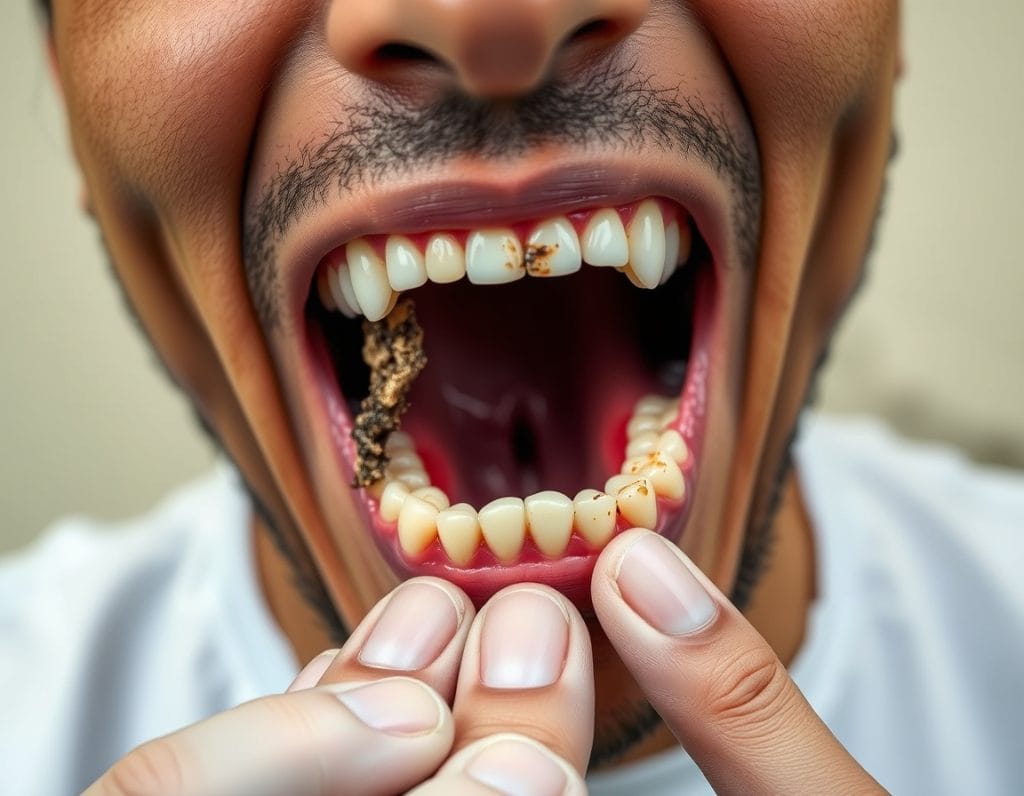
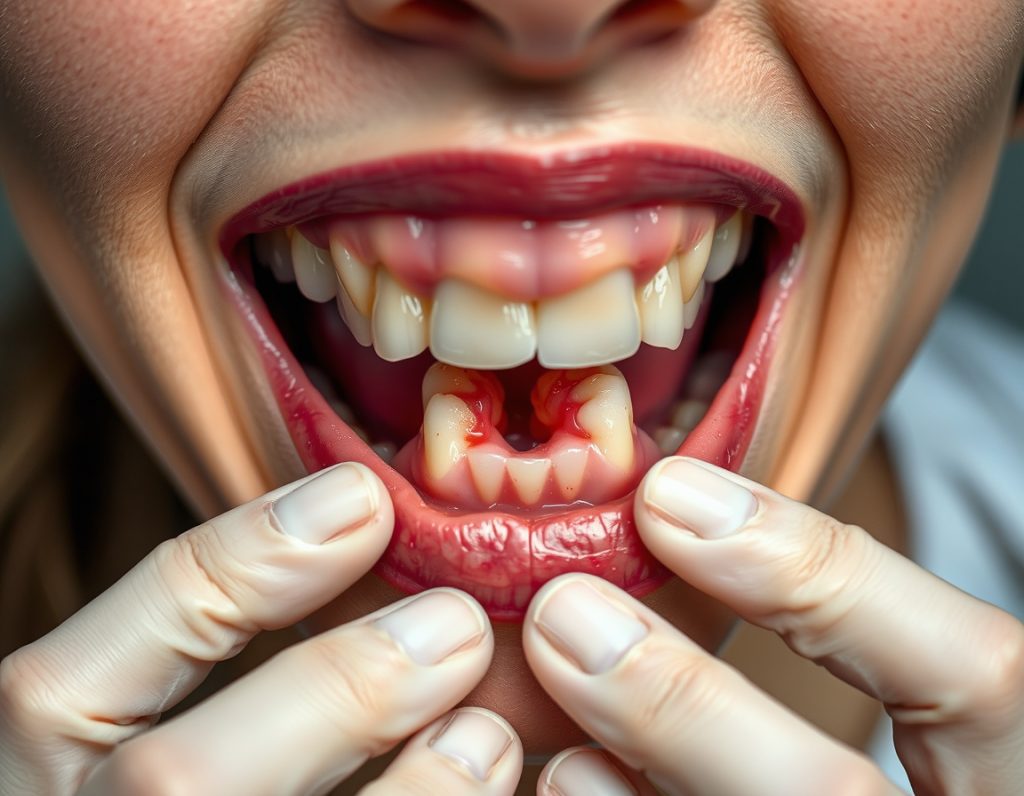
Most people picture a cavity as a static pit. In reality, it’s an active process. The bacteria responsible, mainly Streptococcus mutans, feed on sugars and produce acid that dissolves tooth enamel continuously. Once the enamel breaks down, the underlying dentin is softer and much easier to eat through, so decay often speeds up rather than slows.
Stage 1: Enamel and Dentin Damage
Early decay in the enamel can sometimes be slowed with fluoride and better hygiene before a hole fully forms. Once it punches through into dentin, though, you’ll likely start feeling sensitivity to sweet foods or cold drinks. At this stage a standard filling is usually all that’s needed, and it’s the least expensive fix.
Stage 2: The Pulp Gets Involved
If decay reaches the inner pulp, where the nerve and blood supply live, you may notice persistent tooth pain, swelling, or a dull ache that doesn’t go away. That’s the point where a root canal becomes necessary to remove the infected tissue and save the tooth. According to the American Dental Association’s guidance on caries risk, early detection is the single biggest factor in keeping treatment simple and affordable.
Stage 3: The Tooth Can’t Be Saved
When infection spreads into the surrounding bone or the tooth structure crumbles too far, extraction becomes the only realistic option. This is where things get more complicated and more costly, because a missing tooth creates its own chain of problems. Neighboring teeth can drift, bite alignment shifts, and bone in the jaw starts to shrink in the empty space. Coral Springs residents who keep up with regular checkups rarely reach this stage, simply because problems get caught early.
Why Waiting Almost Always Costs More
A tooth-colored filling typically runs a fraction of what a crown or root canal costs. The math is pretty straightforward: the longer decay has to spread, the more tooth structure is lost, and the more complex the repair. A dentist who catches decay in the enamel stage can often handle it in a single short visit. Waiting until the tooth is visibly broken or constantly painful means multiple appointments, more anesthesia, and significantly higher bills.
If cost is a concern up front, it’s worth knowing that financial options and dental plans exist specifically to help patients get care before minor issues turn serious. Putting off treatment to save money now tends to cost more later. The full range of dental services available at a practice like ClearWave Dental in Coral Springs covers everything from early-stage fillings to restorative work, so patients aren’t left without a path forward regardless of how far things have progressed.
One thing worth repeating: pain is not a reliable early warning sign. Teeth don’t have many nerve endings in the enamel, so decay can go surprisingly deep before it hurts. That’s exactly why routine checkups matter even when nothing feels wrong.
Related Questions
Can a dentist treat decay before it becomes a full cavity?
Yes, in the very early stages, when decay is still limited to the surface of the enamel, treatments like fluoride varnish and remineralizing agents can sometimes stop the process. This is called an incipient lesion, and your dentist may choose to monitor it closely rather than drill right away. Once the enamel has actually broken down and formed a hole, a filling is needed.
How often should you get checked to catch decay early?
For most adults, twice-yearly exams are enough to spot problems while they’re still small. People with a history of frequent cavities, dry mouth, or certain health conditions may need to come in more often. Consistent checkups paired with professional cleanings give your dentist the chance to find issues before they require major work.