
Can a Mouth Guard Actually Stop Teeth Grinding, or Just Protect Against It in Coral Springs?
Can a Mouth Guard Actually Stop Teeth Grinding, or Just Protect Against It?
A mouth guard doesn’t stop the grinding habit itself — it acts as a physical barrier that absorbs the pressure and prevents your teeth from wearing against each other. Think of it as a shock absorber. Addressing the root cause, whether that’s stress, sleep issues, or bite alignment, is what actually reduces the grinding behavior over time.
Why Grinding Your Teeth Is a Bigger Problem Than Most People Realize

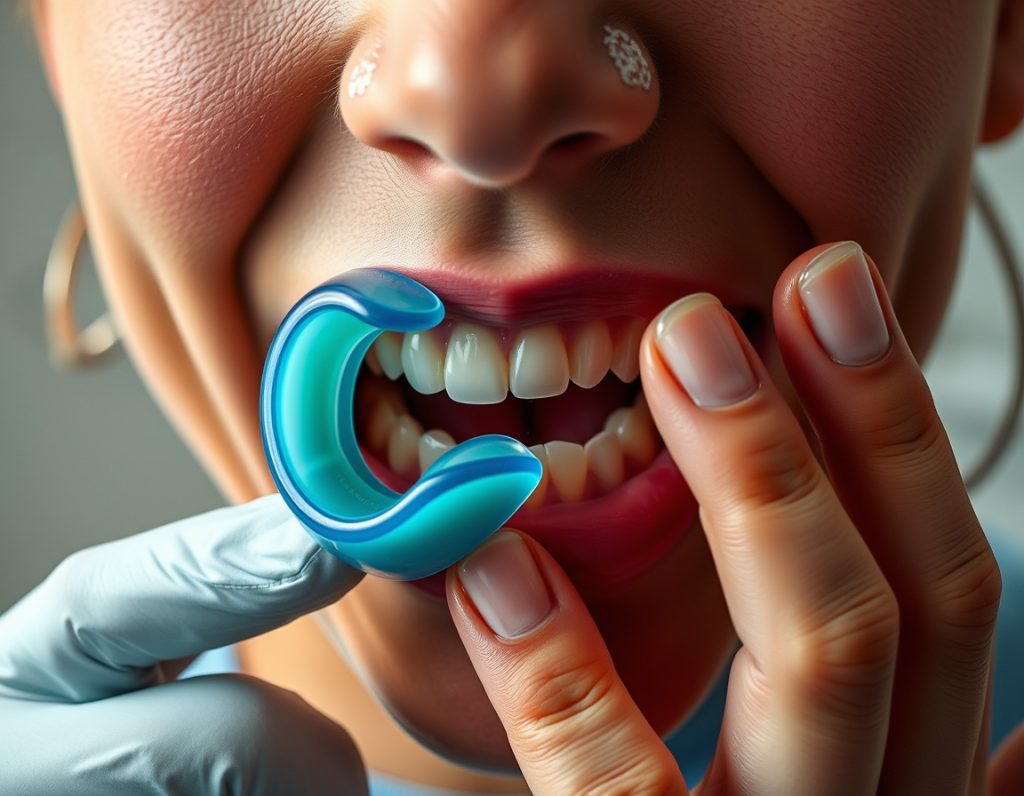
Bruxism (the clinical term for teeth grinding) is one of those conditions that quietly causes serious damage before most people notice anything wrong. A lot of patients don’t realize they grind at night until their dentist points out the wear patterns at a routine visit.
What the Damage Actually Looks Like
Over months and years, grinding flattens the biting surfaces of your teeth. Enamel — the hard outer layer — doesn’t grow back once it’s worn down. That lost enamel means increased sensitivity to cold drinks, a higher risk of cracking or chipping, and in severe cases, teeth that visibly appear shorter than they used to. Some patients also develop jaw soreness, tension headaches, or a clicking sensation in the jaw joint. These aren’t random symptoms; they’re connected directly to how much force the jaw generates during a grinding episode, which can reach levels far beyond normal chewing.
The Common Triggers Behind Grinding
Stress is the most well-known factor, but it’s not the only one. Sleep apnea is strongly associated with bruxism — the brain may trigger jaw clenching as part of an arousal response when breathing is disrupted. Misaligned teeth, certain medications (particularly some antidepressants and stimulants), and even caffeine intake can all play a role. That’s why a dentist won’t just hand you a guard and call it a day; understanding the pattern matters for figuring out the right approach.
How Mouth Guards Work — and When They’re Worth It
There are two broad categories: over-the-counter options you boil and bite at home, and custom-fitted night guards made from a precise mold of your teeth. The difference in fit and durability is significant. Store-bought guards tend to be bulky, shift around during sleep, and wear through quickly. A custom guard sits snugly, distributes force more evenly, and can last several years with proper care.
What to Expect When You Get One Made
The process is straightforward. Your dentist takes impressions (or a digital scan at a modern dental office) and sends them to a lab that fabricates the guard to your exact bite. You’ll typically pick it up at a follow-up appointment and get a quick fit check. Some adjustments may be needed if it feels tight in certain spots. Most people adapt to sleeping with one within a week or two — it feels odd at first, but most patients say they eventually can’t sleep comfortably without it.
Guards Aren’t the Only Option
For cases tied to stress, many patients see improvement by adding relaxation techniques before bed, reducing evening caffeine, or addressing underlying anxiety. If a misaligned bite is contributing to the problem, your dentist might talk through orthodontic options. And for patients whose grinding is linked to sleep apnea, treating the sleep disorder often reduces bruxism on its own. The National Institute of Dental and Craniofacial Research notes that bruxism management typically works best as a combination of approaches rather than a single fix.
If you’re based in Coral Springs and have been waking up with a sore jaw or your dentist has mentioned wear at your last visit, it’s worth having a proper conversation about whether a guard makes sense for you. ClearWave Dental & Aesthetics sees patients at all stages of this — from early wear to more advanced grinding damage — and can help map out the right next step based on what’s actually going on with your teeth.
The City of Coral Springs is home to a wide range of residents with busy, high-stress schedules, and bruxism is more common here than many people expect. Getting checked sooner rather than later makes a real difference in how much restoration might be needed down the road.
Related Questions
How do I know if I'm grinding my teeth at night if I never wake up while doing it?
The most reliable way is a dental exam — dentists are trained to spot the specific wear patterns, small fractures, and gum changes that grinding causes, even when patients have no symptoms yet. You can also look for clues like jaw stiffness in the morning, frequent tension headaches, or a partner telling you they hear grinding sounds during sleep. These signs together are usually enough to confirm what’s happening.
Will my dental insurance cover a custom night guard?
Coverage varies by plan, but many dental insurance policies do cover at least a portion of a custom guard when bruxism is diagnosed and documented. It’s worth calling your provider before the appointment to ask about benefits. If coverage is limited or you’re uninsured, flexible payment options can make the cost more manageable without delaying treatment.