
Is It Safe to Visit the Dentist While You’re Sick in Coral Springs?
Is It Safe to Visit the Dentist While You’re Sick?
For minor sniffles, a routine checkup can usually wait — and most dental offices will ask you to reschedule if you have a fever, active flu symptoms, or a contagious illness. Showing up sick puts the dental team and other patients at risk, and your own immune system is already under stress, which can slow healing after any procedure.
That said, a true dental emergency — severe pain, a knocked-out tooth, a swollen jaw — is a different story. In those cases, call the office ahead of time so the team can prepare and take any necessary precautions before you arrive.
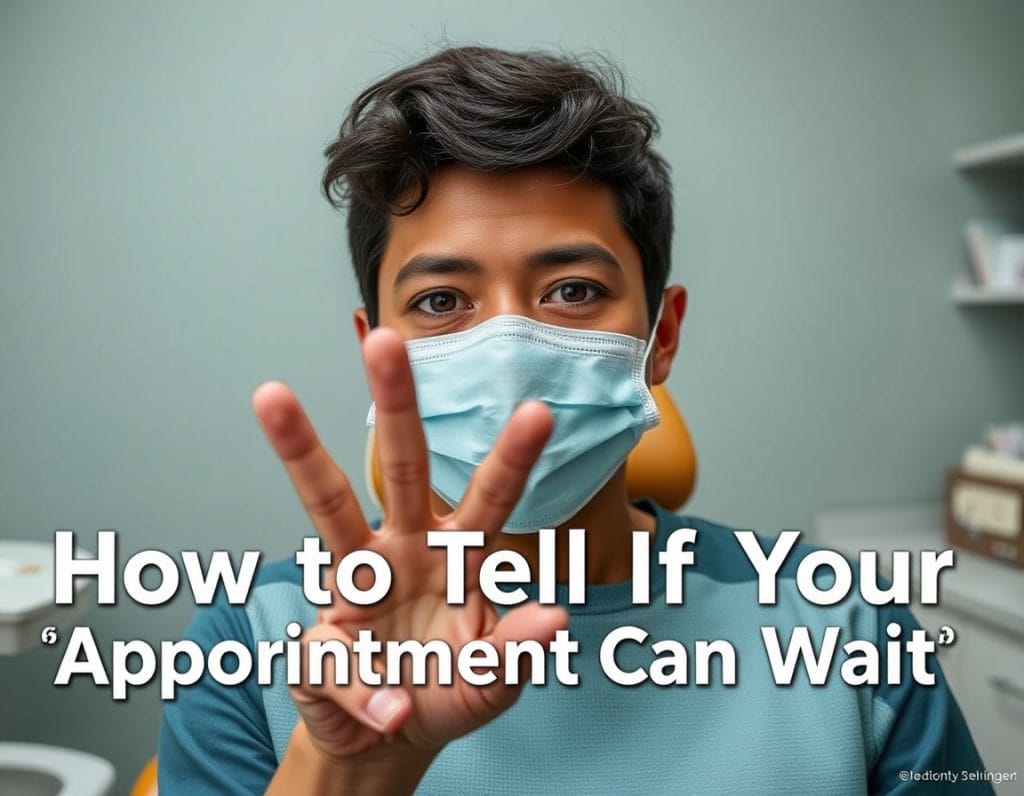
How to Tell If Your Appointment Can Wait

Symptoms That Mean You Should Reschedule
A good general rule: if you wouldn’t go into work, you probably shouldn’t go to the dentist either. Fever over 100°F, active vomiting, a productive cough, or a confirmed case of strep or the flu are all solid reasons to call ahead and move your appointment. Most offices are completely understanding about this — they’d rather rebook you than expose their staff.
Mild seasonal allergies or a post-cold runny nose are usually fine, especially for a cleaning. Just give the office a heads-up when you arrive, and let them make the call. Breathing through your mouth during treatment is harder when you’re congested anyway, which makes a standard cleaning more uncomfortable than it needs to be.
When You Genuinely Can’t Wait
Dental pain doesn’t politely pause when your immune system is busy. A severe toothache, an abscess, or a tooth that’s been knocked loose all need attention fast, regardless of how you’re feeling otherwise. Infections in particular can spread quickly and become serious. If you’re dealing with any of those, call the office immediately — don’t just show up, but don’t wait either.
At ClearWave Dental in Coral Springs, the team can walk you through whether your situation needs same-day care or whether it’s safe to wait a few days until you’ve recovered. A quick phone call saves everyone time and keeps you informed.
What Happens to Your Body During Dental Work When You’re Sick
Your Healing Is Slower
When your body is fighting an infection or a virus, its resources are stretched. Post-procedure healing — especially after extractions, fillings, or any treatment involving soft tissue — takes longer when your immune system is already occupied. Anesthesia can also behave differently when your body is inflamed, sometimes requiring higher doses to achieve the same effect.
This is a practical concern, not just a formality. Skipping a routine cleaning by a week or two costs almost nothing. Having a filling placed or a tooth pulled while you’re running a fever, then struggling to heal properly, can turn a minor procedure into a longer recovery.
Infection Risk Goes Up
Any procedure that breaks through gum tissue creates a temporary opening for bacteria. Under normal conditions, a healthy immune system handles this without issue. When you’re already sick, that same opening carries a higher chance of developing a post-procedural infection. Your dentist weighs this risk carefully before proceeding, which is exactly why most offices ask screening questions when you check in. The American Dental Association recommends that patients inform their dental provider of any recent illness or symptoms before treatment begins.
If you’re scheduled for something more involved — like a tooth extraction or periodontal therapy — and you come down with something in the days before, call and reschedule. The appointment will still be there once you’re better.
Coral Springs residents can check the City of Coral Springs official website for any local public health notices that may affect clinic operations during peak illness seasons.
Related Questions
Can being sick make a toothache feel worse?
Yes, particularly with sinus infections. The roots of your upper back teeth sit close to the sinus cavities, and when those cavities swell with fluid or infection, the pressure can mimic a toothache almost exactly. Many people get dental X-rays only to find out their sinuses were the actual culprit. If you have upper molar pain alongside congestion or facial pressure, mention both symptoms when you call your dentist.
Should I tell my dentist about medications I'm taking for a cold or flu?
Absolutely. Some over-the-counter cold remedies contain blood-thinning or stimulant ingredients — like aspirin or decongestants with pseudoephedrine — that can interact with local anesthetics or affect bleeding during a procedure. It takes about 30 seconds to mention what you’ve been taking, and it gives your care team the full picture before they start. Check the first visit expectations page for a list of what to bring and disclose at any appointment.