
Can Early Tooth Decay Be Reversed Before It Becomes a Cavity in Coral Springs?
Is It Possible to Reverse Early Tooth Decay Before It Becomes a Cavity?
Yes, in many cases early tooth decay — called demineralization — can be reversed before it turns into a cavity that needs drilling. At this stage, the tooth enamel has started losing minerals but hasn’t broken down into a hole yet. With the right interventions, your body can actually rebuild that enamel and stop the decay process in its tracks.
What Early Decay Actually Looks Like
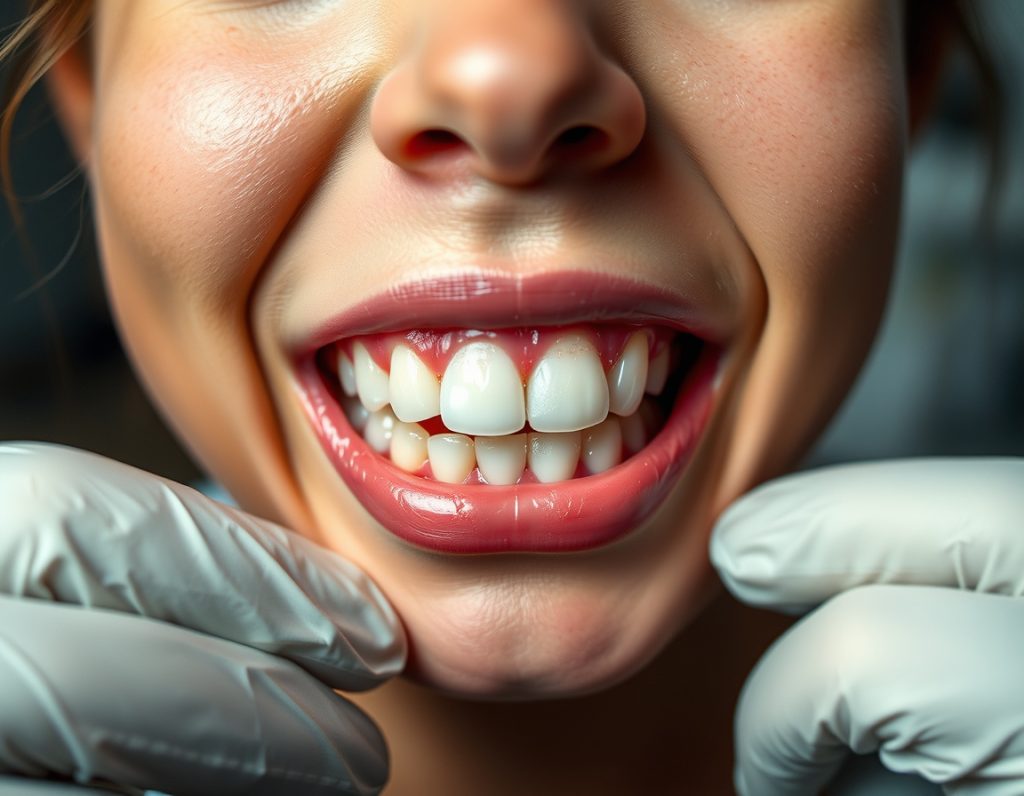
Most people picture a cavity as a dark pit or visible hole. But the earliest sign is much subtler: a chalky white spot on the surface of a tooth. That white spot means the enamel has weakened in that area. No pain, no sensitivity, no obvious damage — which is exactly why so many people miss it entirely.
Demineralization happens when acids produced by bacteria in your mouth eat away at enamel minerals. Every time you eat sugar or starch, those bacteria produce acid for about 20 minutes afterward. Do that repeatedly over weeks or months without giving your teeth enough recovery time, and those white spots start to form.
The good news is that at this pre-cavity stage, the damage isn’t permanent. The bad news is the window to act is relatively short before the enamel structure collapses and a real cavity forms.
The Role Fluoride Plays in Remineralization
Fluoride is the main tool dentists use to fight early decay. It works by attracting calcium and phosphate back into weakened enamel, actually rebuilding the tooth’s mineral structure. Prescription-strength fluoride treatments applied in a dental office deliver a much higher concentration than what’s in over-the-counter toothpaste, making them significantly more effective for teeth that already show signs of demineralization.
At home, using a fluoride toothpaste twice a day and cutting back on acidic drinks gives your enamel more time to recover between acid attacks. Learn more about fluoride treatments at ClearWave Dental to see what in-office options are available.
Sealants and Monitoring as Preventive Tools
For teeth with early-stage decay in hard-to-clean grooves, dental sealants can physically block bacteria from settling in those areas. They’re most commonly recommended for kids and teens, but adults with deep grooves can benefit too. The other approach is active monitoring: your dentist tracks the white spots at each visit with detailed records or photos to see whether they’re improving, staying stable, or progressing.
If you want to know more about how sealants work as a preventive step, the sealants page covers who they’re best suited for.
The American Dental Association’s guidance on fluoride explains the science behind remineralization in plain language if you want to dig into the research.
What You Can Do Between Appointments
Reversing early decay isn’t something that happens from a single dental visit. It’s the result of consistent habits over weeks. Here’s what actually moves the needle:
- Brushing with a fluoride toothpaste for a full two minutes, twice daily.
- Reducing how often you snack, since frequency of acid exposure matters more than total sugar intake.
- Drinking water with fluoride, which is standard in most Coral Springs tap water.
- Using a prescription fluoride gel or rinse if your dentist recommends one.
Saliva is also a natural defense your body already provides. It neutralizes acid and delivers minerals back to your teeth. Staying hydrated, chewing sugar-free gum after meals, and avoiding dry mouth all support that process. People who breathe through their mouths at night or take medications that reduce saliva flow are at higher risk for decay and may need extra fluoride support.
If you’re unsure whether what you’re seeing on your teeth is early decay or something else, getting checked at ClearWave Dental & Aesthetics in Coral Springs is the fastest way to know. Early intervention costs far less time and money than treating a cavity that’s already formed. You can explore cleaning and prevention services or find out what to expect at your first visit if you haven’t been in a while.
Related Questions
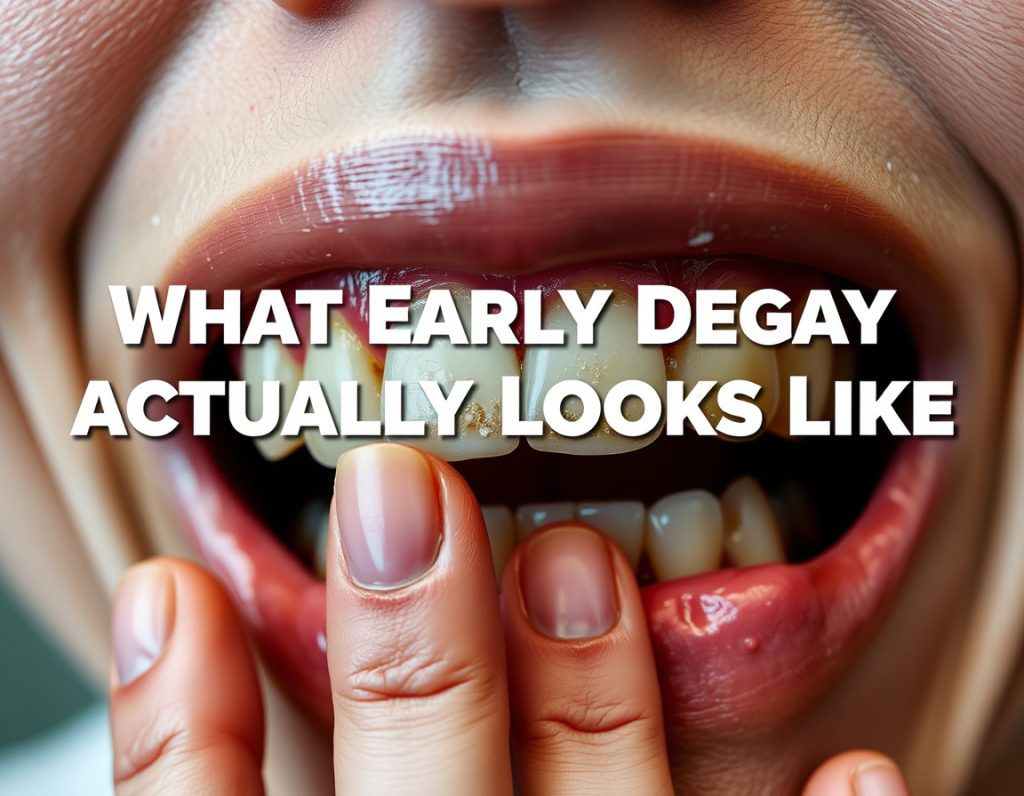
How long does it take to reverse a white spot on a tooth?
It depends on how consistent you are with fluoride use and diet changes, but most people see measurable improvement in white spots within four to twelve weeks of consistent remineralization habits. Larger or deeper areas of demineralization take longer, and some may not fully resolve without in-office treatment.
Does sensitivity in a tooth always mean you have a cavity?
Tooth sensitivity has several causes beyond cavities, including worn enamel, gum recession, grinding, or even whitening products. That said, sensitivity in a specific spot, especially when eating something cold or sweet, can be an early sign that decay is progressing. A quick exam is the only reliable way to tell the difference.